Ghost Skateboard with Cap 16Oz Can Glass Review
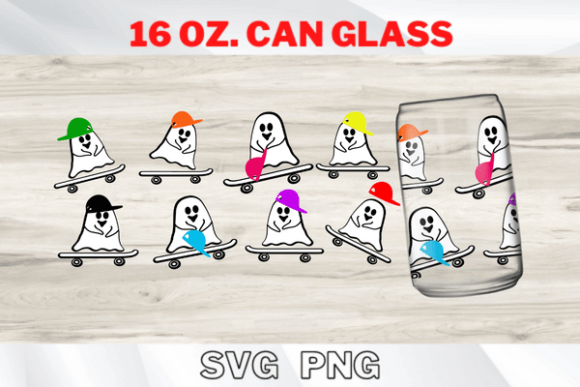
When I first opened the folder for Ghost Skateboard with Cap 16Oz Can Glass, I wasn't just looking at a file; I was trying to visualize the finished stitch. As someone who has spent years testing digital assets for real-world embroidery projects, my initial reaction is usually a mix of excitement and skepticism. This design sits in that sweet spot where Halloween fun meets street style, but does it translate well from a screen to a needle? The concept of a spooky figure riding a board while clutching a Libbey glass can is undeniably catchy, but the devil is in the details when you are dealing with machine embroidery design.
The immediate mood this piece sets is playful yet slightly eerie. It feels like something you would see on a vintage t-shirt from a skate shop in Portland, or perhaps a quirky patch on a denim jacket. For the Cans Amp category within the Graphics sector, this design stands out because it combines two distinct cultural icons: the skateboarder and the classic soda can. However, before we talk about aesthetics, we need to talk about the practicalities of stitching this onto a physical surface.
Real-World Application: From Screen to Stitch
I recently had a client request a custom embroidered tote bag for a local Halloween craft fair. They wanted something that wouldn't look like every other generic pumpkin design on the market. I pulled up Ghost Skateboard with Cap 16Oz Can Glass as a potential candidate. My goal was to see if the layout held up when scaled down for a standard 4x4 hoop. The dimensions provided, 688 x 312 pixels at 300 dpi, suggest a wide, horizontal orientation that works beautifully on rectangular items like aprons, tea towels, or the front panel of a sweatshirt.
In a real-life scenario, placing this design on a dark navy tote bag creates an immediate pop of contrast, assuming the ghost and the can are stitched in lighter threads. The "wrap" aspect mentioned in the description hints at a curved or cylindrical feel, which might be tricky if the user tries to embroider this on a flat surface without proper digitizing adjustments. If the file includes a specific wrap effect, it could add dimension to the can, making the product look more premium. But if it is just a flat SVG, the visual depth will rely entirely on thread color choices and stitch density.
I also considered using this for a baby item, like a onesie or a small bib. The theme is funny, but is it appropriate? For a boutique selling handmade products to parents who love edgy humor, absolutely. A small version of this design on a white cotton onesie could become a bestseller. However, for a nursery pillow cover, I would advise caution. The sharp angles of the skateboard and the potentially dense fill stitches around the can might create a stiff area that isn't comfortable against a baby's skin. Embroidery designers must always prioritize the end-user experience, not just the visual appeal.
Technical Considerations for the Studio
Let's get into the nitty-gritty of the embroidery process. When reviewing Ghost Skateboard with Cap 16Oz Can Glass, one of the first things I check is the complexity of the lines. The skateboard trucks and wheels require fine detail work. If the digitizing uses too many running stitches for these small parts, they may fray or look messy after the first wash. Satin stitch is likely the best choice for the outlines of the ghost and the text elements, providing a clean, professional edge.
Stitch density is another critical factor. The can itself, being a cylindrical object represented in 2D, might have large areas of fill stitch. If the density is too high, the fabric could pucker, especially on thin materials like jersey or lightweight polyester. I recommend testing this design on a scrap of the intended fabric first. If you plan to use this on a stretchy fabric like a hoodie, you must use a cut-away stabilizer to prevent distortion. For woven fabrics like canvas or linen, a tear-away might suffice, but the weight of the design needs to match the weight of the garment.
Hoop size is often overlooked until it is too late. The width of this design suggests it fits comfortably in a medium to large hoop. Trying to force this into a small 4x4 hoop might result in clipping the edges of the skateboard or the cap, ruining the composition. Conversely, if you are working on a large commercial project, such as branding for a skate shop, ensuring the design maintains its resolution is key. While the source file is 300 dpi, embroidery machines read vector data differently than printers do. Always verify the final stitch count and ensure the file is optimized for your specific machine software.
Where to Use (and Where to Avoid)
This design is versatile, but it has its limits. It shines on structured garments like caps, patches, and denim jackets where the fabric provides enough stability to hold the detail. An embroidered patch featuring the ghost and the can would make a great accessory for backpacks or hats, adding a touch of personality to a plain outfit. For Etsy sellers and small business owners, this is a goldmine for holiday gifts. Imagine a set of matching kitchen towels for a hostess gift during October—this design adds a unique twist to traditional fall decor.
However, there are places where this design should be used carefully. Small hoop sizes are generally risky for designs with long horizontal spans and intricate details. Textured fabrics, such as fleece or heavy corduroy, can hide the finer lines of the skateboard wheels, making the image look muddy. Thin fabrics are also a no-go unless heavily stabilized, as the tension required for the fill stitches could cause the material to tear. Dark fabrics present a challenge regarding thread contrast; if the ghost is stitched in white, it will show up perfectly, but if the background is black, you need to ensure the underlay is sufficient to prevent the dark fabric from bleeding through the light threads.
Curved surfaces like caps require special attention. The curvature of a baseball cap can distort a wide design like this, stretching the center and compressing the sides. If you are planning to use this on headwear, consider splitting the design or adjusting the digitizing to account for the curve. Additionally, avoid using this on products that will undergo frequent, harsh washing, such as work uniforms, unless the design is reinforced with a strong backing.
Final Verdict for Crafters and Sellers
Ultimately, Ghost Skateboard with Cap 16Oz Can Glass is a strong asset for any creative entrepreneur looking to expand their catalog. It offers a fresh take on Halloween themes by blending skate culture with spooky imagery. For those selling handmade products, this design can elevate the perceived value of an item, turning a simple tote bag into a conversation starter. The pre-sized nature of the file saves time, allowing you to focus on the creative process rather than resizing vectors.
To ensure success, remember to test your thread colors against your fabric choices. High contrast is your friend here. Check the licensing terms thoroughly if you intend to sell finished goods made with this file, as some digital assets have restrictions on commercial use. By paying attention to stabilizer selection, hoop placement, and fabric compatibility, you can turn this digital graphic into a stunning finished product that customers will love. Whether you are decorating a sweatshirt for a family reunion or creating a line of boutique apparel, this design brings a level of personality that generic clip art simply cannot match.
In conclusion, while no single design is perfect for every situation, Ghost Skateboard with Cap 16Oz Can Glass proves itself as a practical and visually engaging option for the modern embroiderer. It respects the craft while delivering a fun, modern aesthetic that fits perfectly into the current trends of personalized gifts and custom apparel. With a little bit of preparation and technical know-how, this file can help you create memorable pieces that stand out in a crowded marketplace.